
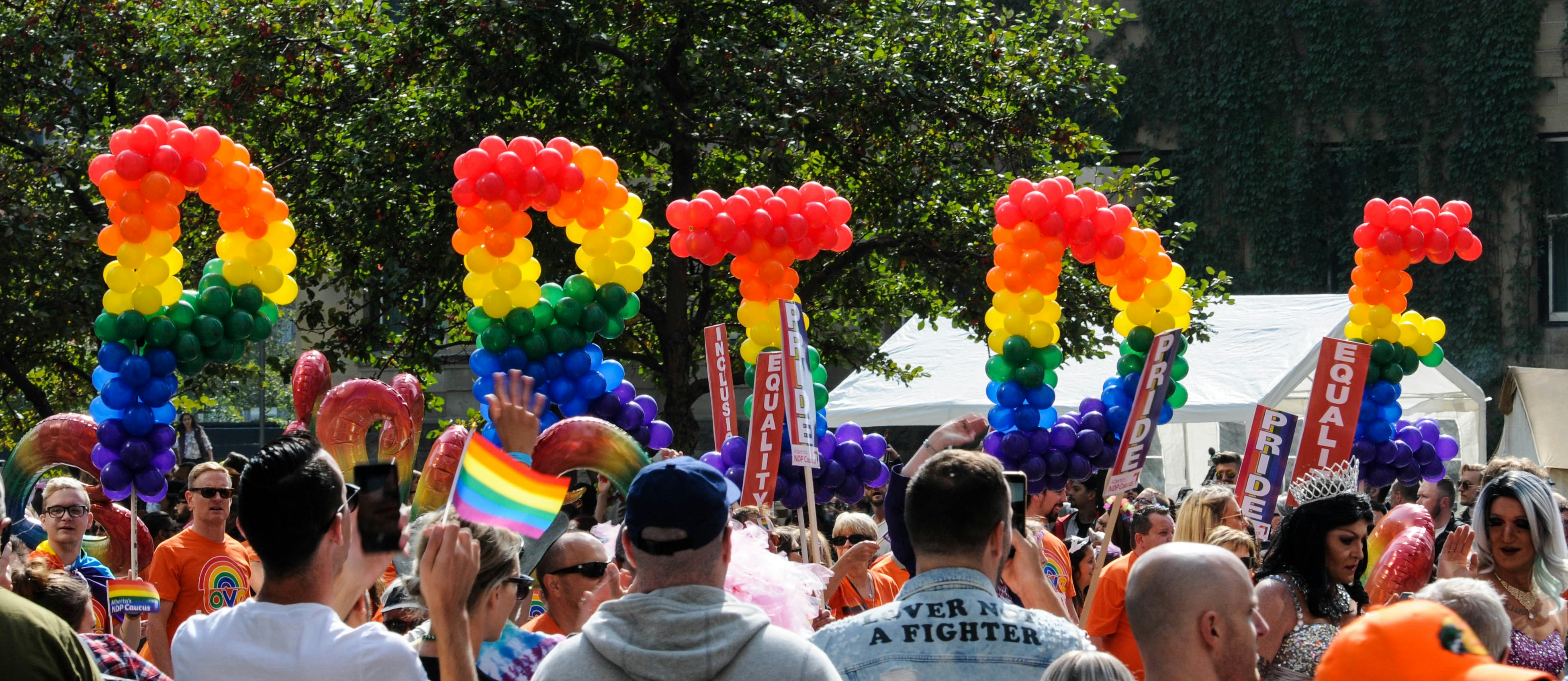
Introduction to Gay Pride Month
Gay Pride Month, observed in June, serves as a significant period for the LGBTQ+ community globally. Its primary purpose is to honor the ongoing struggle for equality and to celebrate the cultural diversity inherent within the community. The origins of Pride Month can be traced back to pivotal events in LGBTQ+ history, most notably the Stonewall riots of 1969. This crucial uprising, which took place in New York City, marked a turning point in the fight against discrimination and police brutality, igniting a larger movement that sought to assert the rights and dignity of queer individuals.
As the years progressed, June became a month dedicated to celebrating LGBTQ+ identities and experiences. The evolution of Gay Pride Month reflects the advancements in societal attitudes towards sexual orientation and gender identity. It has transformed from its initial grassroots gatherings to elaborate parades and vibrant festivities, encompassing a broad spectrum of activities that promote acceptance, pride, and activism. The celebration extends beyond the LGBTQ+ community; it involves allies and supporters advocating for equality and justice.
Historically, Gay Pride Month also serves as a reminder of the challenges faced by LGBTQ+ individuals. The ongoing fight for rights, such as marriage equivalency, anti-discrimination laws, and representation in various societal spheres, underscores the importance of the month. Local and international events during this period are accompanied by educational initiatives that aim to foster understanding and dialogue around LGBTQ+ issues. Through this recognition, Pride Month not only celebrates achievements but also reiterates the commitment to continue advancing rights and acceptance for future generations.
Reasons for Celebrating Gay Pride Month
Gay Pride Month serves as a vital platform for acknowledging and celebrating the diverse identities within the LGBTQ+ community. One primary reason for its celebration is to enhance visibility and representation. Historically, LGBTQ+ individuals have faced marginalization and prejudice, which often resulted in a lack of visibility in broader society. By dedicating a month to pride and visibility, communities can foster greater awareness of the unique experiences and challenges faced by LGBTQ+ individuals, contributing to a more informed and inclusive society.
Furthermore, Gay Pride Month plays a crucial role in promoting awareness of the myriad issues confronting the LGBTQ+ community. These can range from discrimination and human rights violations to mental health challenges and social stigma. Observing Pride Month encourages dialogue around these critical issues, thereby generating support for effective advocacy and policy changes that benefit LGBTQ+ rights. It brings attention to the ongoing struggles that many individuals within this community continue to face, encouraging allies to join in the fight for equality.
Participating in Gay Pride Month activities, such as parades and gatherings, offers substantial benefits to individuals and the community as a whole. These events are not only celebratory; they also foster a sense of belonging and community bonding among attendees. Engaging in Pride Month activities can empower individuals by promoting self-acceptance and reinforcing the notion that everyone deserves to be celebrated for who they are. In essence, Gay Pride Month is instrumental not only in acknowledging past struggles but also in paving the way toward a more inclusive future. By spreading messages of acceptance and love, Pride Month can break down barriers and deepen understanding, further enriching the social fabric of society.
Arguments Against Gay Pride Month
While Gay Pride Month is widely celebrated as a significant event for the LGBTQ+ community, it has drawn criticism from various quarters regarding its impact and messaging. One of the main concerns is the growing commercialism associated with Pride celebrations. Many detractors argue that brands and corporations engage in performative allyship, commodifying LGBTQ+ identities for profit, rather than genuinely supporting the community. This commodification risks detracting from the core values of pride and acceptance, transforming a month of awareness into a marketing opportunity, where the lines distinguishing activism and profit can become blurred.
Another critical argument centers on the effectiveness of Gay Pride Month in fostering meaningful change. Critics contend that while these events raise visibility, they often do not translate into substantive policy reforms or shifts in societal attitudes. Participants in Pride events may feel a sense of solidarity, yet there is skepticism about whether this translates into actions that address fundamental issues like discrimination, healthcare access, and economic inequality faced by LGBTQ+ individuals. The feeling is that more profound, sustained efforts are necessary beyond celebratory events to achieve lasting societal improvements.
Moreover, some opponents express concern that the focus on sexual identity during Pride Month can overshadow other critical issues of inequality. This narrow lens may alienate individuals who experience intersectional forms of discrimination, such as those who belong to multiple marginalized groups. As a result, certain voices within the community may feel excluded from the discourse, suggesting that Pride Month, while well-intended, sometimes fails to represent the diversity and complexity of experiences within the LGBTQ+ spectrum. Thus, while Pride may celebrate identity, it also prompts important discussions about inclusivity and representation within its own ranks.
Understanding Gay Pride Parades
Gay pride parades hold significant cultural and social importance within the LGBTQ+ community, serving not only as vibrant celebrations but also as potent forms of protest. These parades originated as a response to the oppression and discrimination faced by LGBTQ+ individuals and have evolved into influential platforms for political expression and advocacy for LGBTQ+ rights. Today, they encompass a rich tapestry of colors, performances, and speeches that resonate with the spirit of love, acceptance, and equality.
One of the primary functions of pride parades is to raise awareness of LGBTQ+ issues, showcasing the need for social change and inclusivity. Through the engagement of participants and onlookers, pride parades effectively communicate messages about equality, challenging societal norms and prejudices. Activists often take this opportunity to highlight ongoing struggles, including discrimination, violence, and the fight for legal rights. The presence of diverse voices and stories contributes to meaningful discourse, emphasizing the importance of allyship in these struggles.
Moreover, pride parades foster a sense of community among LGBTQ+ individuals. They provide a safe space where people can express their identity without fear, bolstering solidarity and support. This shared experience promotes mental well-being and reinforces the notion that individuals are not alone in their journeys. Within this communal atmosphere, participants often feel empowered to engage with their identities publicly while celebrating their accomplishments, resilience, and unique cultures.
In summary, the significance of pride parades extends beyond mere festivities; they represent a vital intersection of celebration and political activism. As these events continue to flourish globally, they remind us of the ongoing fight for acceptance and equality, creating spaces for understanding, community, and activism within society.
Benefits of Participating in Pride Events
Participation in Pride events offers numerous advantages that extend beyond mere celebration. One of the most notable benefits is the positive impact on mental health. For individuals who identify as part of the LGBTQ+ community, attending these events can foster a sense of belonging and self-acceptance. This communal atmosphere often helps to reduce feelings of isolation that many individuals may experience, especially those living in less accepting environments. The visibility and representation provided by Pride events can lead to improved self-esteem and confidence, enabling participants to embrace their identities fully.
Additionally, Pride events serve as a platform for empowerment through communal solidarity. Gathering in large numbers sends a powerful message of unity and resilience, reminding participants that they are not alone in their struggles. This sense of belonging cultivates an environment where individuals feel supported, leading to enhanced emotional well-being. The shared experiences and narratives within these gatherings not only strengthen personal connections but also foster a broader understanding of the diverse challenges faced by various demographics within the LGBTQ+ community.
Networking opportunities are another significant advantage of participating in Pride events. These occasions often bring together individuals from various backgrounds, professions, and experiences, creating spaces where connections can flourish. Such networking can lead to mentorship, job opportunities, and collaborative efforts to promote LGBTQ+ rights and visibility. Moreover, participation in Pride events fosters allyship, enabling allies from different demographics to engage meaningfully with the LGBTQ+ community. This dialogue cultivates understanding, empathy, and a more inclusive society, ultimately contributing to the ongoing fight for equality and justice.
Risks and Concerns: Involvement of Children in Pride Events
The participation of children in Pride events has generated significant debate, highlighting various risks and concerns associated with their exposure to adult themes and behaviors. Proponents of children’s involvement argue that these events can foster acceptance and inclusivity, teaching young people the importance of diversity from an early age. However, this argument meets resistance from those who emphasize the need for safeguarding children against potentially inappropriate displays. The range of activities and demonstrations at these events can vary greatly, with some instances featuring overtly sexual themes or provocative attire, raising valid concerns among parents and guardians regarding what their children might be exposed to.
From the perspective of concerned parents, the challenge lies in finding a balance between promoting values of acceptance and protecting their children’s innocence. Many argue that while Pride events celebrate LGBTQ+ identities, some aspects may not be suitable for younger audiences. This discrepancy feeds into a broader conversation about whether specific displays should be tailored to ensure an environment conducive to families with children. The involvement and behavior of adults at these events can also contribute to the discomfort felt by some parents regarding the appropriateness of the surroundings for youngsters.
<pmoreover, a="" access="" advocate="" aligns="" also="" an="" and="" as="" at="" balance="" be="" believe="" between="" children="" children's="" comfort,="" complete="" complicates="" consensus="" consider="" constitutes="" continue,="" conversations="" crucial="" different="" discussions="" each="" education.="" educational="" environment="" equitable="" events="" events.="" experiences="" exposure="" family="" for="" form="" guided="" has="" in="" is="" it="" level,="" manner="" maturity="" must="" need="" of="" on="" others="" p="" paramount.Risque Displays: Navigating the Controversy
The topic of risqué displays at Pride events remains a polarizing subject within both the LGBTQ+ community and the broader public. On one hand, proponents argue that these expressions are integral to the celebration of individuality and liberation, allowing participants to embrace their identities without fear of judgment. They posit that such displays serve as a form of artistic expression and contribute to the vibrancy of Pride festivities, fostering an atmosphere of acceptance and joy. Supporters contend that these daring representations break down societal taboos and help challenge heteronormative standards of modesty, thereby empowering individuals to explore and showcase their authentic selves.
Conversely, critics often view these displays as inappropriate and argue that they could deter family attendance at Pride events, particularly among conservative groups. The perception that such expressions might sexualize the Pride experience leads some to advocate for more reserved and family-friendly representations. This concern raises questions about the potential alienation of certain community members who might feel that risqué visuals overshadow the critical messages of equality, pride, and acceptance that Pride Month embodies.
Cultural context plays a significant role in this debate. Many LGBTQ+ activists highlight that throughout history, the movement has often been met with misunderstanding, and risqué displays are a form of reclaiming space within society. However, the intention behind these expressions is crucial. While some may view them as a celebration of sexuality, others see them as divisive, complicating discussions surrounding the broader goals of the LGBTQ+ rights movement. Ultimately, this controversy invites a necessary dialogue about the balance between artistic expression and community representation, ensuring that all voices within the LGBTQ+ spectrum are heard and respected, regardless of differing opinions on risqué displays.
The Future of Pride Celebrations
As society continues to evolve, the future of Pride celebrations is likely to reflect these changes in attitudes and values surrounding LGBTQ+ rights. Historically, Pride Month has served as both a commemoration of the struggle for equality and a celebration of diversity and identity. Moving forward, we can expect these events to adapt accordingly, becoming more inclusive, intersectional, and reflective of the diverse LGBTQ+ community’s experiences.
One potential development is the increasing emphasis on intersectionality within Pride events. As awareness grows regarding the various layers of identity—such as race, gender, ability, and socioeconomic status—Pride organizers may incorporate more programming that highlights the voices and experiences of marginalized subgroups within the LGBTQ+ community. This could lead to greater representation at events, fostering a more comprehensive celebration that encapsulates the richness of diversity.
Additionally, technology and social media will undoubtedly continue to play a pivotal role in shaping future Pride celebrations. Virtual events during the COVID-19 pandemic showcased how digital platforms could facilitate widespread participation, breaking geographical barriers and allowing people worldwide to engage in Pride festivities. As technology evolves, we may see an increased use of augmented and virtual reality experiences at Pride events, creating immersive environments that promote awareness and connection among participants.
Moreover, the fight for equality remains far from over. Despite significant progress, ongoing discrimination persists, and advocacy is crucial. Future Pride events can serve not only as celebrations but also as platforms for activism, spotlighting current issues such as anti-LGBTQ+ legislation and the need for comprehensive policies that ensure protection and acceptance for all individuals. By maintaining this dual purpose, Pride Month will continue to resonate as both a spirited celebration and a poignant reminder of the work still to be done.
Conclusion
Throughout this exploration of Gay Pride Month, various perspectives have been examined, highlighting the cultural, social, and historical significance of this annual observance. The origins of Gay Pride Month, stemming from the Stonewall Riots, serve as a poignant reminder of the struggles faced by the LGBTQ+ community and the ongoing fight for equality and acceptance. Engaging with these historical contexts not only honors past sacrifices but also emphasizes the necessity for continued activism in promoting LGBTQ+ rights.
The significance of Pride events extends beyond mere celebration; they act as a platform for visibility, awareness, and education about LGBTQ+ issues. It is crucial that these events invite participation from all segments of society, fostering an inclusive environment where dialogue can thrive. The progression towards societal acceptance demands an open exchange of ideas, allowing individuals to articulate their perspectives and experiences. This engagement creates an atmosphere conducive to understanding, which is fundamental for dismantling prejudice and fostering respect among diverse communities.
As we reflect on the themes discussed, it becomes evident that the conversation surrounding Gay Pride Month should not be confined to a single month. Advocacy for LGBTQ+ rights and visibility must persist throughout the year. Individuals are encouraged to examine their beliefs, challenge biases, and proactively support initiatives that promote inclusivity and equality. This commitment to ongoing dialogue and education is vital in nurturing an environment where all individuals, regardless of sexual orientation or gender identity, can thrive without fear of discrimination. Ultimately, it is through these conversations and efforts that society can progress toward greater acceptance and understanding of LGBTQ+ issues.
Leave a Reply